
Buying Property in Estepona: The Complete 2026 Guide
Prices by area, which neighborhood fits which buyer, the purchase process, taxes and financing for foreign buyers — everything we tell clients in the office, in one guide.
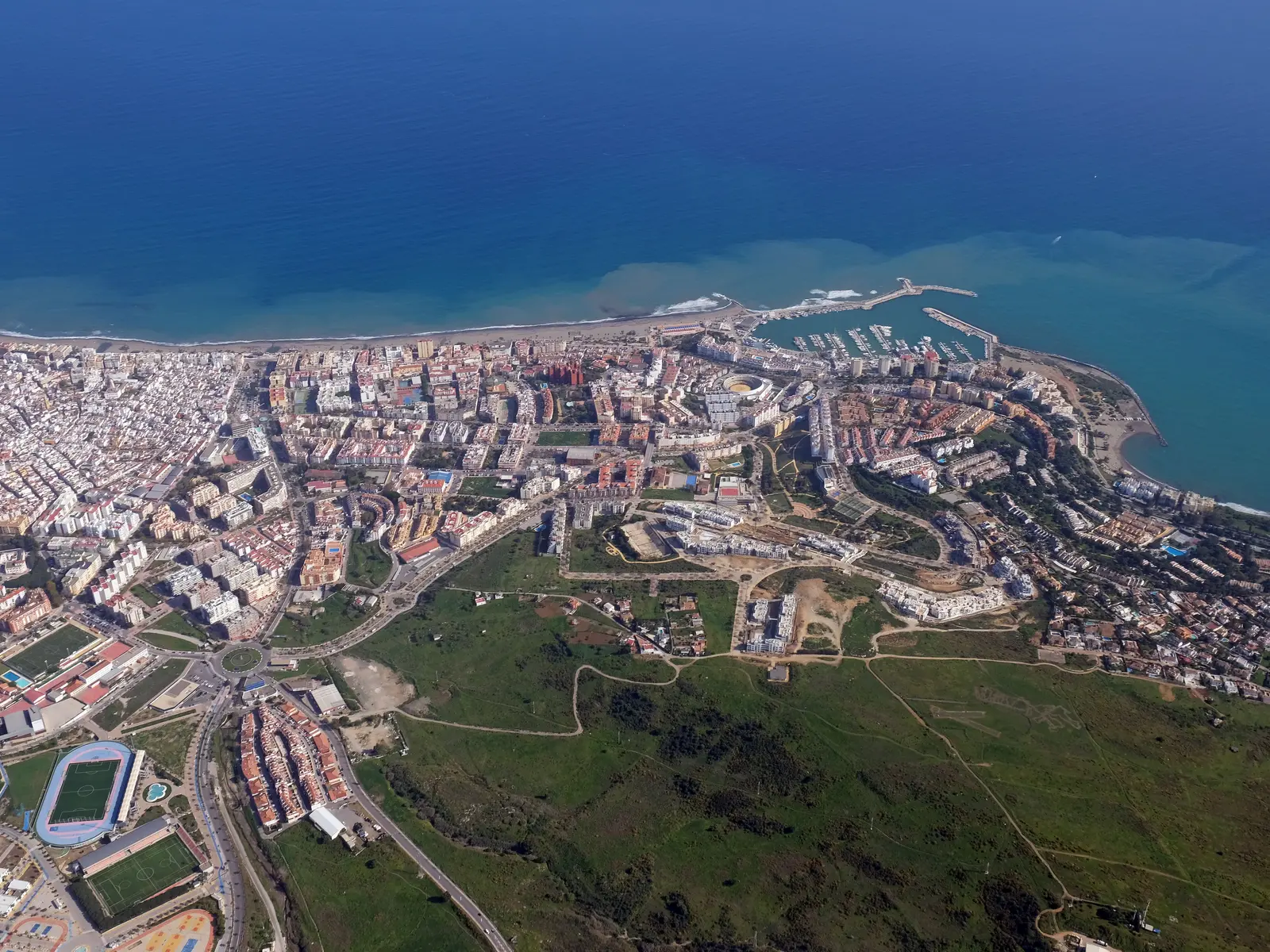
Estepona is where our office is, where our advisors live, and the market we walk buyers through every week. This guide condenses that into one place: what property actually costs here in 2026, which areas fit which buyers, how the purchase process runs for a foreign buyer, and the mistakes we see people make. Where a topic deserves its own deep-dive — taxes, mortgages, neighborhood character — we link to the full guide rather than compressing it into a paragraph.
Why Estepona, in one honest paragraph
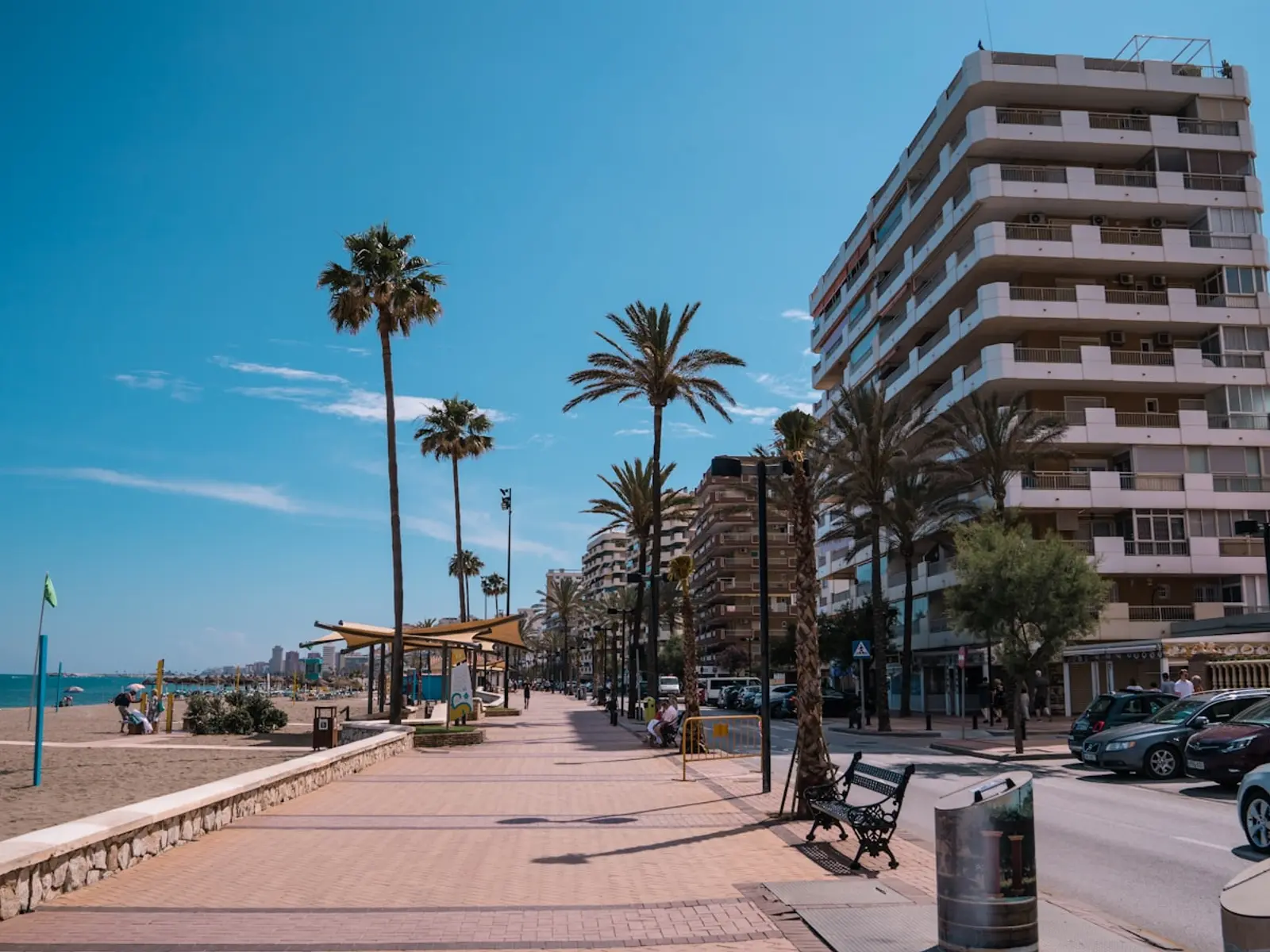
Estepona offers the strongest value proposition on the western Costa del Sol: a genuinely Spanish working town with a polished old centre, 22 kilometres of coastline, and prices that run 20 % to 40 % below equivalent specification in Marbella, twenty-five minutes east. The town has spent a decade investing in public realm — the flower-pot streets, the seafront promenade, the pedestrianised centre — and buyer demand has followed. If you are still weighing the town itself against its bigger neighbour, our Estepona or Marbella comparison settles that question with real numbers; this guide assumes Estepona is on your shortlist.
What property costs in Estepona in 2026
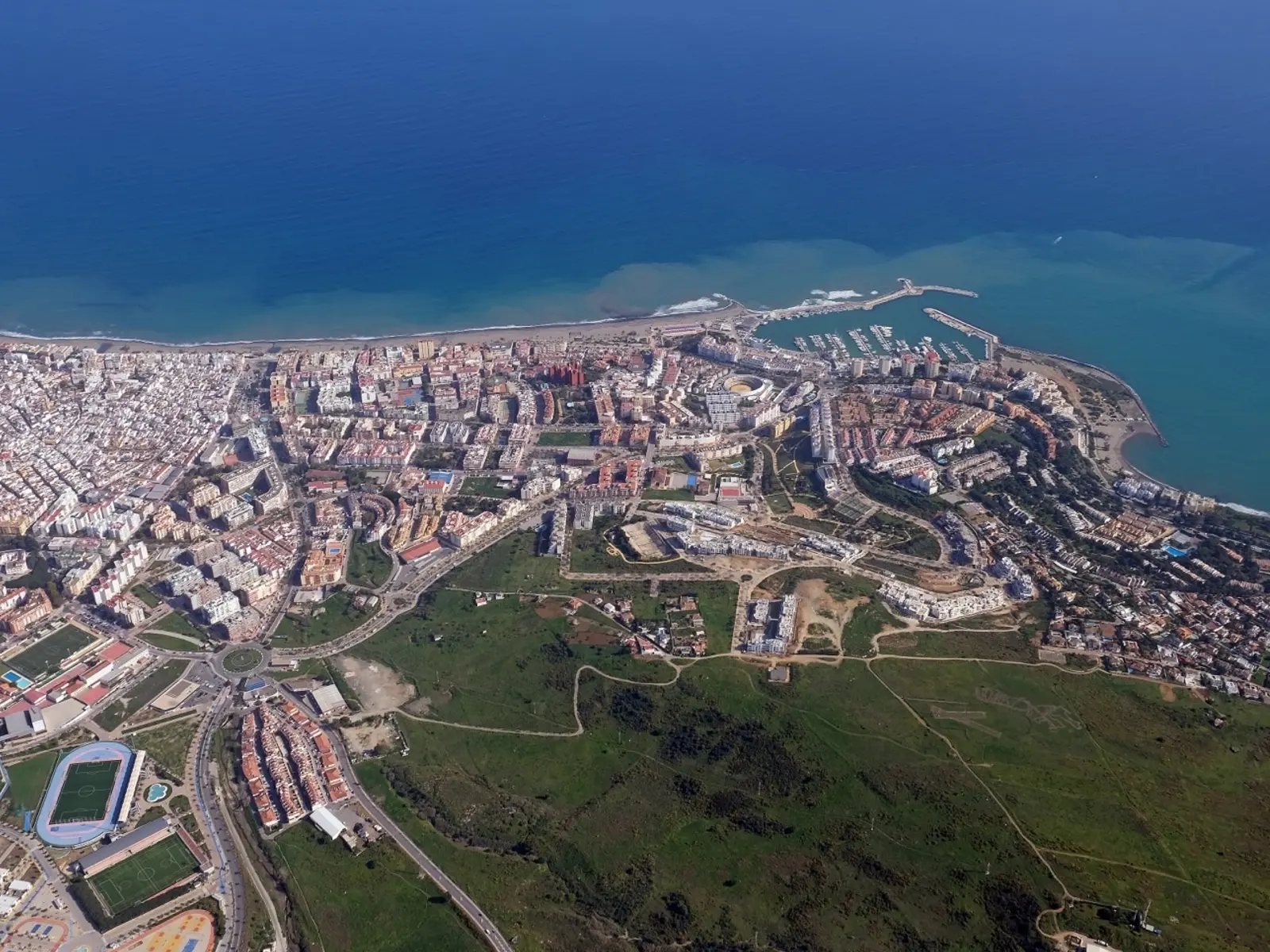
Working orientation from transactions we see closing, not asking prices. In the Old Town, renovated townhouses trade at the highest per-square-metre rates in the municipality, but small unit sizes keep per-unit prices accessible — a renovated two-to-three level casita typically lands in the mid-hundreds of thousands. Around the Marina and port, sea-view apartments from the last decade carry a premium; 1990s stock offers value with a renovation budget. Valle Romano and the New Golden Mile carry contemporary villas and new-build apartment product across a wide band. The western belt (Selwo, Bahía Dorada, toward Manilva) is the entry point — community apartments with pools and sea views from the upper plots at prices the eastern coast stopped offering years ago. Beachfront communities like Costalita on the eastern boundary trade at a premium for the sand-at-your-door position; our Costalita guide covers that micro-market in detail.
Which area fits which buyer
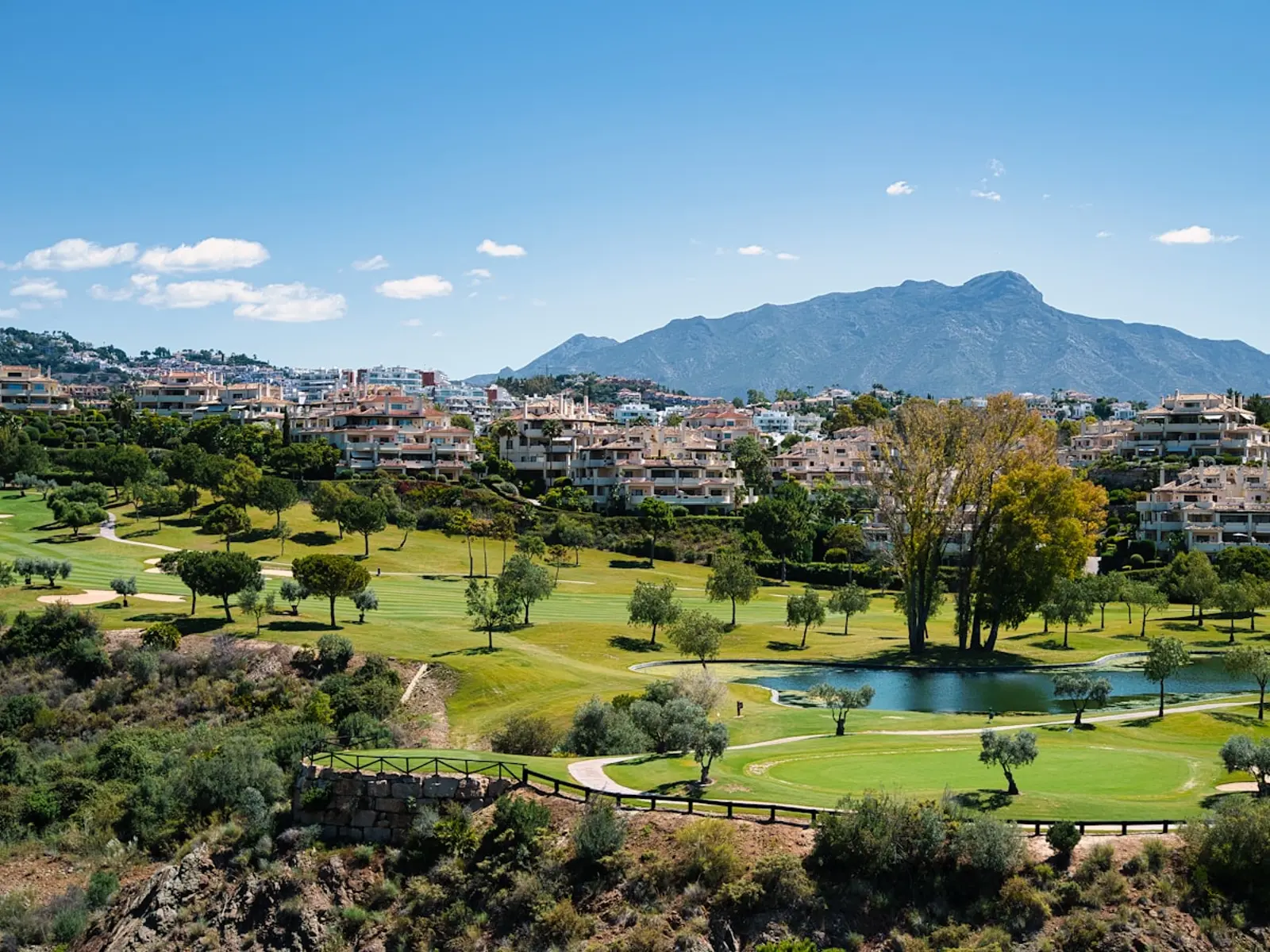
The single most expensive mistake in Estepona is buying in the wrong district for how you actually live. Walking lifestyle with restaurants on the doorstep: Old Town or Marina. Family relocation with school runs: Cancelada or El Paraíso on the eastern side, close to the international school corridor. Space, views and contemporary build: Valle Romano. Contained budget with a sea view: Selwo and the western belt. Beach-first second home: Costalita or Saladillo. Our neighborhood-by-neighborhood guide walks every district the way a resident would — read it before you book viewings, not after.
The buying process, compressed
For a resale purchase the sequence is: reservation deposit (typically €6,000–€10,000) to take the property off the market; independent lawyer engaged (roughly 1 % plus IVA — always independent, never the seller's); private contract (arras) with 10 % deposit one to two weeks later; completion at the notary four to eight weeks after that, where the deed is signed, the balance paid, and the keys handed over. A foreign buyer additionally needs an NIE (the foreigner identification number) and a Spanish bank account before completion — both routine, both worth starting early. The full cost stack — every fee and tax in the order it arrives, with worked examples at €500,000 — is in our complete cost breakdown.
Taxes, briefly
On a resale in Andalucía you pay 7 % transfer tax (ITP); on a new build, 10 % IVA plus 1.2 % stamp duty. With professional fees on top, budget 11 % to 13 % over the purchase price in total transaction costs. Once you own: IBI (council tax, €400–€1,500/year for a mid-market villa), refuse charge, community fees where applicable, and for non-residents IRNR on an imputed rental income. Our Costa del Sol tax guide takes each of these apart with Andalucía's current rates.
Financing as a non-resident
Spanish banks actively lend to non-resident buyers in the Estepona corridor. Plan around a 60–70 % loan-to-value ceiling (residents get 80 %), a debt-service cap of 35–40 % of net income, and an eight-to-twelve-week timeline from first contact to funds — which means engaging the mortgage process before you make an offer, not after. Rates, documentation and the valuation quirk that catches buyers out are covered step-by-step in the non-resident mortgage guide.
New build versus resale in Estepona
Estepona's expansion belt carries one of the deepest new-build pipelines on the coast, concentrated along the New Golden Mile and the hillsides behind it. New build buys you warranty, energy performance and payment-over-construction — at 10 % IVA + 1.2 % AJD instead of 7 % ITP, roughly €20,000 more in tax at the €500,000 level, and delivery risk measured in quarters. Resale buys you location certainty (the mature communities closest to the beach and town were built first) and immediate use. There is no universally right answer; there is a right answer for your timeline and tax position — our off-plan buying guide walks the payment schedule, the bank guarantee and the risks before you fix on either.
The mistakes we actually see
Three recur. First, budgeting against the listing price and discovering the 11–13 % transaction stack at completion. Second, choosing the neighborhood from photographs — the districts price similarly but live completely differently. Third, skipping independent legal representation to save a fee that is a rounding error against the risk it covers. All three are avoidable in the first week of the search.
Start with the live market
The theory above matters, but markets are made of specific properties. Our current properties for sale in Estepona are updated daily and every listing is personally inspected before it goes live. If you want a shortlist matched to your budget and use case — or a morning walking two or three neighborhoods before you look at anything — that is exactly what we do, and the first conversation costs nothing.
Frequently asked questions
- Yes, particularly for value: prices run 20 % to 40 % below equivalent specification in Marbella, the town centre is walkable and genuinely Spanish year-round, and a decade of public investment has kept demand growing. It suits year-round living and regular-use second homes best; buyers wanting Marbella-level nightlife and international schooling on the doorstep should compare both towns first.
- It varies more by district than by property type. Renovated Old Town townhouses carry the highest per-square-metre prices but stay accessible per unit; Marina sea-view apartments and Valle Romano villas sit mid-to-upper range; the western belt (Selwo, Bahía Dorada) is the entry point. As a rule of thumb, expect the same specification to cost 20–40 % less than central Marbella.
- Yes, with no restrictions. A foreign buyer needs an NIE (foreigner identification number) and a Spanish bank account before completion, and should engage an independent lawyer (roughly 1 % of the price plus IVA). Non-residents can also finance locally, typically up to 60–70 % loan-to-value.
- Estepona is in Andalucía: 7 % transfer tax (ITP) on a resale, or 10 % IVA plus 1.2 % stamp duty on a new build. Including notary, registry, lawyer and gestoría fees, total transaction costs run 11 % to 13 % on top of the purchase price.
- It depends on how you live: the Old Town and Marina for a walking lifestyle, Cancelada and El Paraíso for families near the international schools, Valle Romano for contemporary villas with views, Selwo and the western belt for value, and Costalita for beachfront. Spending two days in town before booking viewings is the cheapest research you will ever do.