
Costalita Beach, Estepona: Property, Lifestyle & What Buyers Should Know
A beachfront community on Estepona’s eastern boundary that punches above its weight in buyer search — the property mix, the community fees, the rental performance and who fits.
Costalita is one of those Costa del Sol names that punches above its weight in search traffic. Buyers find the name through forums, agent listings and word of mouth, then arrive at the property search and find the standard city filter doesn't carry it — because Costalita is a neighborhood inside Estepona's municipality, not a town in its own right. This guide is what we tell buyers who walk into the office asking specifically about Costalita.
Where Costalita actually is
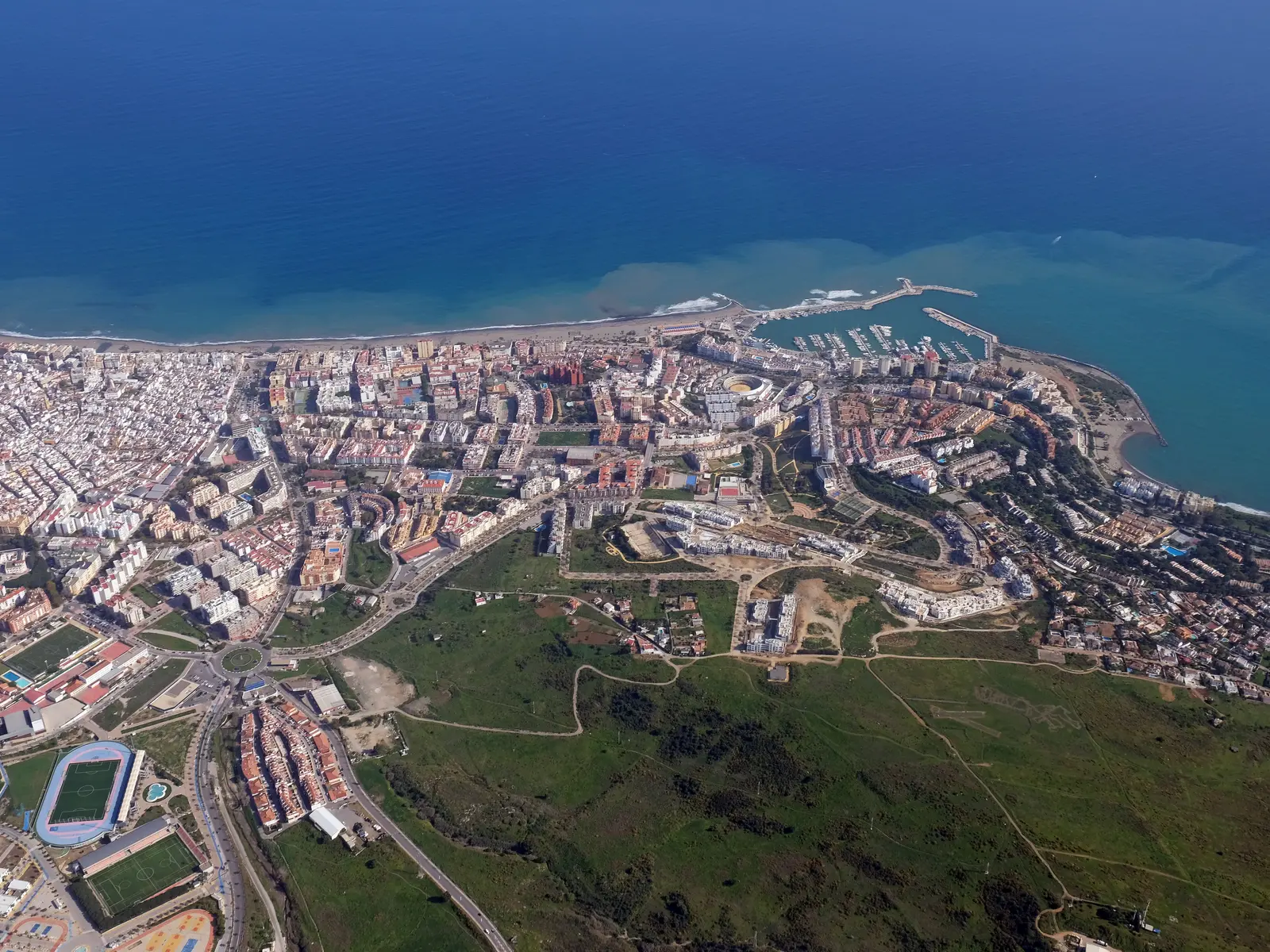
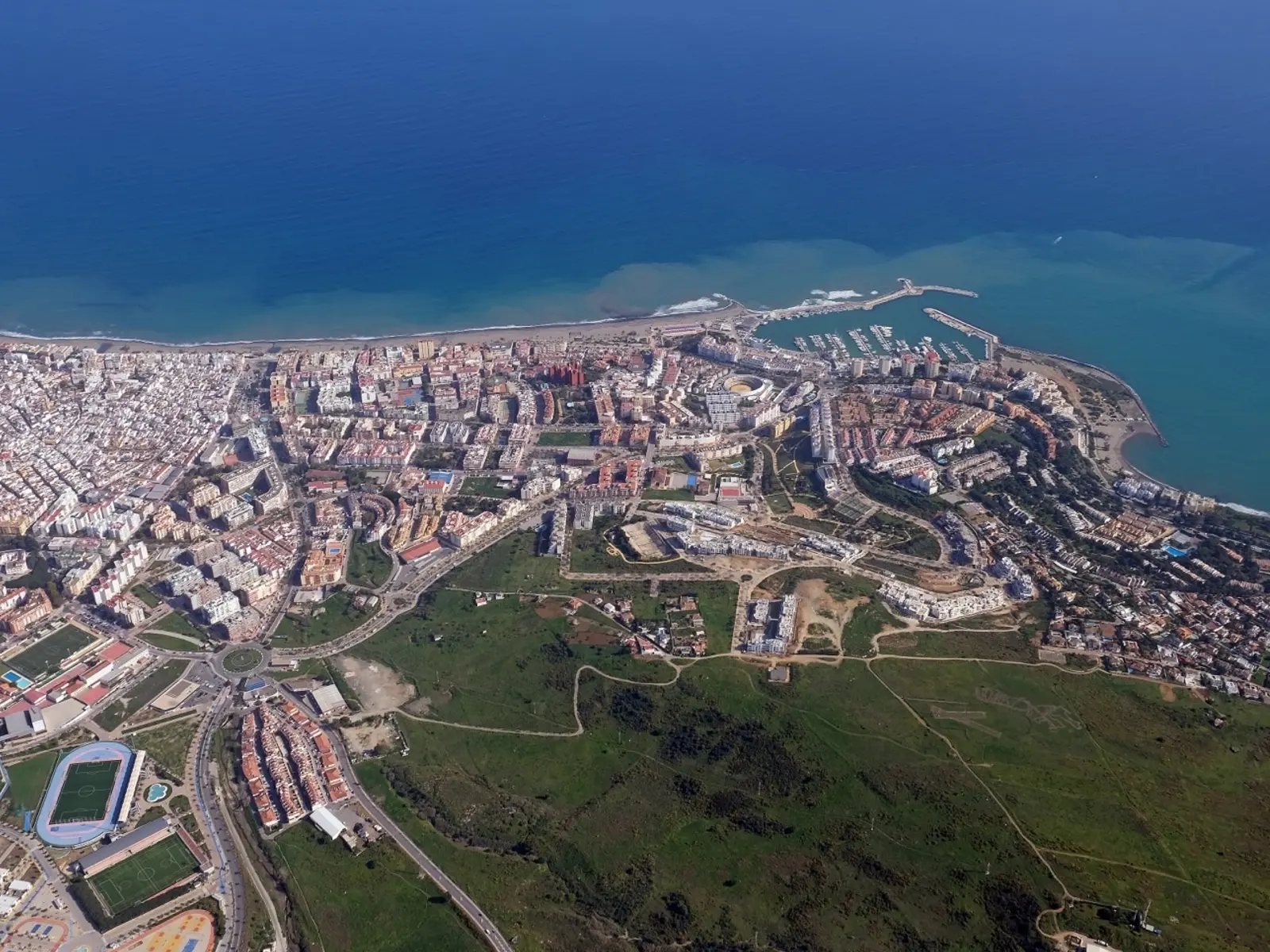
Costalita sits on the eastern edge of Estepona's coastline, immediately west of the boundary with Marbella's San Pedro de Alcántara. It is a beachfront community organised around a roughly 800-metre stretch of sand backed by mature pine and palm gardens. The main coastal road, the A-7, runs behind the community; the AP-7 toll motorway runs a kilometre inland. The nearest commercial centres are the Diana shopping centre and the wider San Pedro retail strip, both a few minutes' drive east. The Estepona Old Town and marina are a 12-minute drive west. Costalita is one of the very few Costa del Sol communities where the buyer can credibly say "we live on the beach" and mean it literally — many beachfront communities are separated from the actual sand by a road, parking, or someone else's plot. The community anchors the eastern end of the New Golden Mile, and our guide to that corridor covers how Costalita compares with its neighbours — El Pilar, Cabo Bermejo, El Paraíso — urbanization by urbanization.
What it looks like on the ground
The community is dominated by low-rise apartment blocks from the 1980s and 1990s, set in landscaped grounds with multiple pools, paddle tennis courts and direct beach access through private garden gates. A second tier of more recent construction sits on the inland edge — modern townhouses and small detached villas behind the original blocks. The architectural register is calm — terracotta tiles, white render, mature greenery — and the densities are low by Costa del Sol standards. This is not a place built around evening footfall; it is residential, walkable internally, and quiet after dinner.
Who lives there
The resident base is heavily international and long-tenured. Northern European families who arrived in the 1990s as second-home owners increasingly stay year-round; their adult children come back at Christmas and Easter. The summer brings the rental traffic. The proportion of full-time residents has risen materially since 2020, driven by the same remote-work shift that has changed every European holiday community. Practically, that means the off-season is not deserted — the beach bars stay open, the bakery has queues, and there is a school run.
Property types and pricing
The largest pool of available product is two- and three-bedroom apartments inside the original beachfront communities. As a working orientation in early 2026, well-presented apartments in these communities trade in a wide band depending on floor, view, and degree of renovation — front-line, top-floor, sea-view, renovated units sit toward the upper end of the local market; ground-floor garden apartments and unrenovated equivalents anchor the entry point. Townhouses behind the front line offer more space at a similar headline figure. Villas are scarce and trade at a premium because the absolute supply is small. The single biggest price variable is not size — it is the walking distance to the actual sand.
The community fees question
Beachfront communities of this generation come with meaningful monthly community fees because the gardens, pools and beachfront access require continual maintenance and the buildings carry insurance against coastal weather. Buyers should budget realistically — for the larger Costalita communities, three- or four-figure monthly fees are common and reflect a real service level rather than overcharging. The corollary is that the community management is generally well-run and the common areas hold up; buying into a poorly maintained community is a worse outcome than paying the proper fee.
What buyers tend to underweight
Two factors tend to surprise buyers who fall in love with a Costalita unit on a sunny April viewing. The first is the August intensity — the rental population in peak weeks is real, the beach is busy, and the parking turnover inside the community is significant. The second is the train of pine pollen in March — pleasant if you are not allergic, a small annual nuisance if you are. Neither is a reason not to buy. Both are worth asking about during the second viewing.
The beach itself
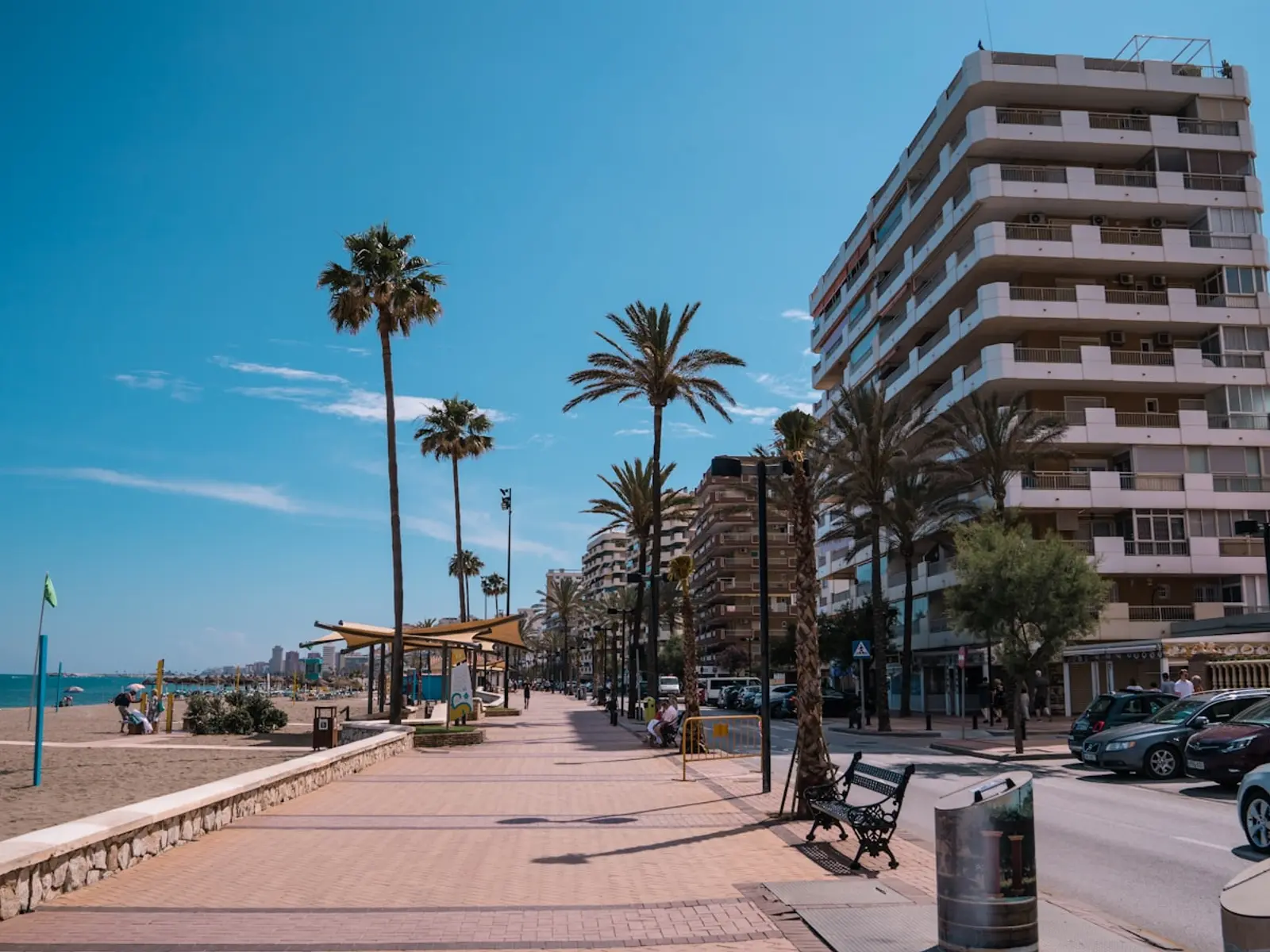
The Costalita beach is a sandy bay, gently shelving, with reasonable swimming through the summer and shoulder months. There are two long-standing chiringuitos on the beach and a small playground at the western end. The promenade — the senda litoral that the Junta de Andalucía has been progressively connecting along the entire Costa del Sol — is in place at Costalita and now connects walkable distance east toward San Pedro and west toward Estepona. For a buyer who wants the morning walk to the next beach to be plausible, the promenade is a major quality-of-life factor that has improved substantially since 2022.
Rental performance
Costalita rents well in season. The combination of beachfront, low-rise, mature gardens and a short drive to two town centres is a strong short-let proposition. Realistic gross yields for well-maintained two- and three-bedroom apartments on the long-let or off-season-extended-let basis sit in the middle of the Costa del Sol range; pure peak-summer rentals can produce higher gross numbers but require management infrastructure. Buyers focused on rental yield rather than personal use should model both a self-managed and a fully managed scenario before committing — the difference between the two is significant in this market.
Who should look here
Costalita suits a specific buyer profile. The right fit is a buyer who wants beachfront living without the volume of a marina town, who values mature gardens and a community feel over architectural novelty, and who is happy with a 10-minute drive to a town centre rather than a walk. It suits semi-retired international buyers and remote-working families with children of school age in particular. It is less right for a buyer who wants nightlife on the doorstep or who prioritises a brand-new build over location.
If Costalita is on your shortlist, the right next step is to spend half a day walking three or four of the communities — they look similar from the outside but differ markedly in the orientation, the garden depth and the management quality. We are happy to put together a half-day walk on a single visit and to share the maintenance history of each community honestly. Most decisions in Costalita come down to choosing the right block, not the right town.
Frequently asked questions
- Costalita is a beachfront community on the eastern edge of Estepona, along the New Golden Mile between Estepona town and San Pedro de Alcántara, with direct access to a long, quiet stretch of sand.
- The area is dominated by gated apartment and townhouse complexes set in mature gardens, many with pools and a short walk to the beach. Frontline-beach blocks command a premium over those set slightly back.
- Its beachfront position and proximity to amenities make it attractive for holiday and long-term lets, but yields vary by block and community fees, so review the specific complex before buying.